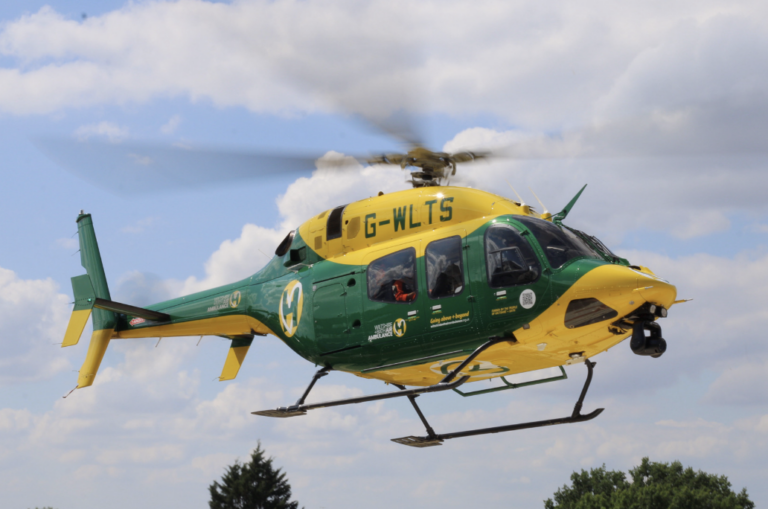
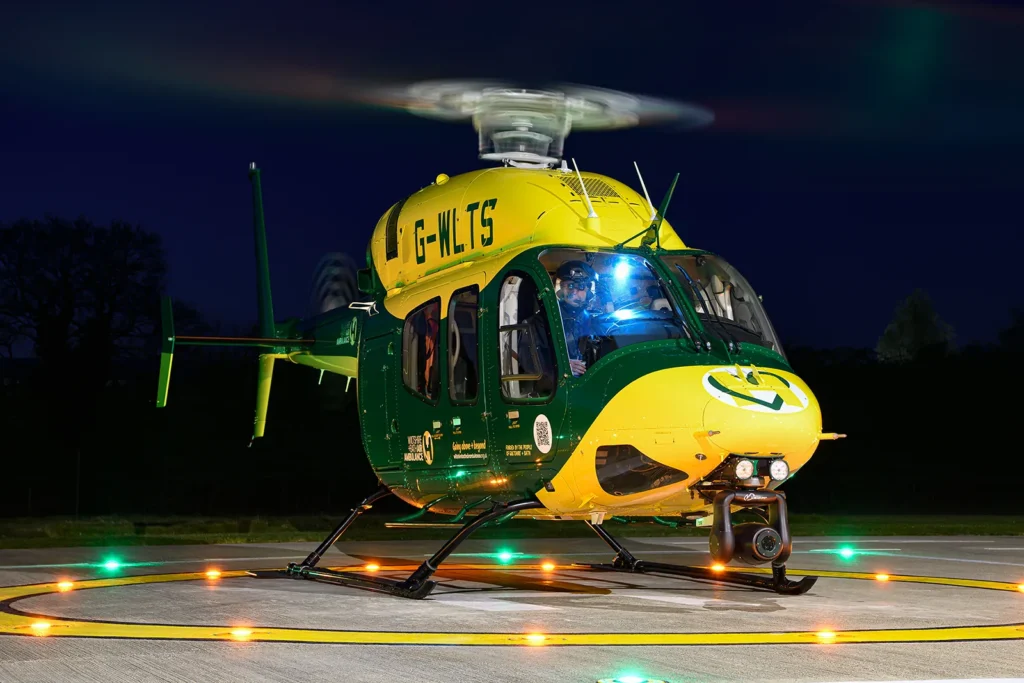
The Wiltshire and Bath Air Ambulance is facing a massive fuel bill shock as helicopter fuel prices more than double due to the ongoing conflict in the Middle East. The soaring cost is squeezing the vital charity’s budget, threatening its lifesaving missions across Wiltshire, Bath, and beyond.
Fuel Crisis Fuelling Fierce Strain on Lifesaving Flights
The charity recently secured 15,000 litres of aviation fuel to keep its choppers in the air. But supply chain chaos and Middle East tensions have pushed prices to record highs across Europe. Nearly half of Europe’s aviation fuel is sourced from the Gulf, shipped through the conflict-hit Strait of Hormuz, making costs skyrocket. Despite demand for emergency medical flights holding steady, the price hike has forced Wiltshire and Bath Air Ambulance to tighten belts as operating the helicopter gets more expensive by the day.
Charity Pleads for Public Support Amid Rising Costs
Barbara Gray, the charity’s chief executive, warned: “We are closely monitoring fuel prices and the wider economic situation. Like many organisations, we are facing rising operational costs.” She added, “Our focus remains on supporting the crew to respond to patients in urgent need of critical care. Community support ensures we can continue to be there when people need us most.” The air ambulance crew is on call up to 19 hours a day, handling around three emergency callouts daily via helicopter or rapid response car. Helicopters can reach anywhere in Wiltshire or Bath within 11 minutes.
How You Can Help Keep Emergency Care Flying
- Wiltshire and Bath Air Ambulance is an independent charity relying entirely on public donations.
- Local support from residents and businesses has never been more crucial to combat soaring fuel costs.
- Donations help keep the choppers flying and save lives every day.
Donate now and help Wiltshire and Bath Air Ambulance continue its lifesaving work during these tough times.
Originally published by UKNIP.