

Police have made a breakthrough in the ongoing investigation into the Amesbury Novichok poisoning case in Wiltshire. More than 400 items have been recovered as part of the search for clues related to the deadly nerve agent that poisoned Dawn Sturgess and Charlie Rowley.
On Friday, 13 July, officers revealed they found a small bottle believed to be the source of the deadly contamination. This discovery followed extensive and painstaking searches, but investigators warn the probe will continue for weeks or even months as they seek further evidence and potential contamination sites.
Assistant Commissioner Neil Basu, National Lead for Counter Terrorism Policing, described the operation as one of the toughest and most complex searches UK policing has ever undertaken. He said, “It’s vital work – not just to solve this horrific crime, but to protect the public from any further risk.”
He also praised the bravery and dedication of the scientists and forensic officers involved, stating, “The scientists and forensic officers volunteering for these searches are putting themselves in real danger. Their bravery and dedication must not be taken for granted.”
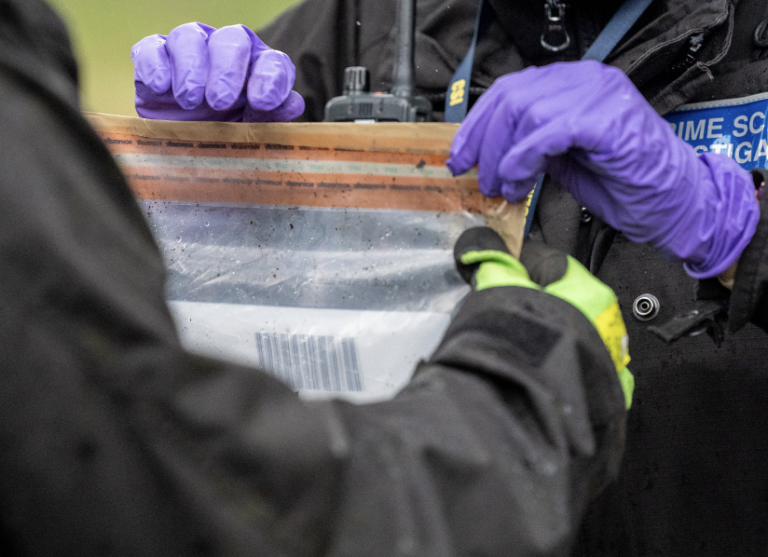
Each search mission is meticulously planned with forensic experts and scientists. Teams wear specialist protective gear, which can take up to 40 minutes to put on. Due to the risks of heat and exhaustion, especially inside tents where temperatures can exceed 40°C, searches are limited to 15 to 30 minutes at a time.
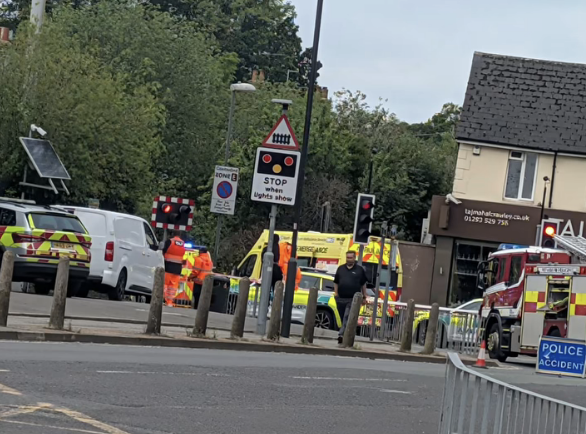
Samples and exhibits collected during searches are swabbed, recovered, and sent to Porton Down laboratories for detailed analysis. Strict protocols are in place to prevent the spread of contamination, with ambulance and fire teams on standby. Blood tests are conducted to monitor all personnel for any signs of nerve agent exposure.
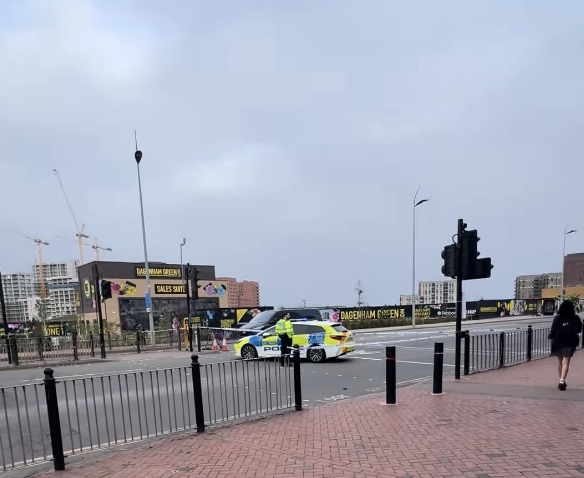
Detectives continue to investigate whether the Amesbury nerve agent is linked to the 2018 Skripal poisoning attack in Salisbury, where Sergei and Yulia Skripal were poisoned. The small bottle found on Muggleton Road represents a major lead in the case.
In total, over 400 exhibits, many of which may be contaminated, have been seized and sent for forensic testing. Police urge the public to remain patient, emphasizing the careful and painstaking nature of this deadly nerve agent investigation and the ongoing efforts to keep everyone safe.
Originally published by UKNIP.