


Rural Road Warriors Paying Up to 2p More Per Litre
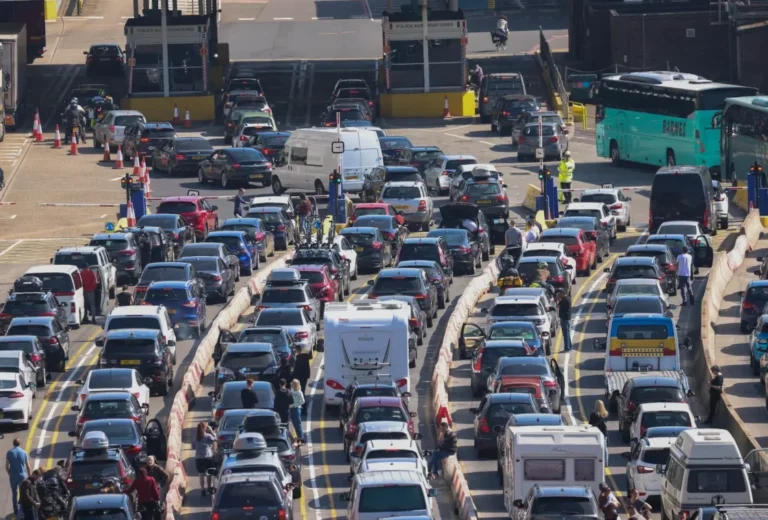
Drivers in the countryside are feeling the squeeze as fuel prices soar – they’re paying up to 2p per litre more than city motorists. With limited public transport, rural residents are more reliant on their cars, making the pinch even sharper. The RAC Foundation’s latest analysis reveals rural fuel stations hiked prices by up to 10% more than urban forecourts last month, thanks to record-breaking price surges. Average petrol prices in rural areas hit 156.15p per litre, compared to 154.07p in towns and cities. Diesel follows the same pattern – 186.54p per litre outside the city against 185.09p inside it. In March, average petrol prices jumped a staggering 20p per litre – the biggest monthly rise ever recorded.
Rural Motoring: No Alternatives, No Escape
AA President Edmund King didn’t mince his words: “The car is not an optional extra but a lifeline” for rural communities. They face a double whammy as fuel prices are higher and many depend on diesel, which has seen prices double since the Iran conflict began.
“Drivers and businesses in rural areas are almost totally dependent on road transport due to the lack of public transport and longer distances travelled.” – Edmund King, AA President
RAC Foundation director Steve Gooding added, “People outside big towns have no choice but to drive for work, shopping and healthcare, and now they’re paying more both for fuel and in distance.”
The Economics Behind the Rural Fuel Premium
Lower customer numbers mean countryside fuel stations have to spread fixed costs across fewer sales. Adding to this, delivery costs to remote areas rack up charges that urban stations don’t face. Fierce competition in cities keeps prices lower, but scattered rural forecourts operate without such pressure. Filling up a 55-litre tank last month cost drivers an extra £11 on petrol and a whopping £22 on diesel nationwide. For rural drivers, this bill was around £1.10 higher for petrol, with some areas seeing similar extra costs on diesel, which surged 40p per litre during March alone.
Government’s Cash Bonanza Amid Rising Pump Prices
Higher fuel prices have fattened the Treasury’s coffers, with drivers paying an estimated £600 million extra since the conflict began. This means Chancellor Rachel Reeves has received around £100 million more in VAT alone – the 20% tax applies directly to inflated pump prices.
“The Government is quids in from the extra VAT paid as prices rocketed, so it should use some of that money to support rural garages – vital community hubs.” – Edmund King, AA President
But despite soaring prices, the government is pushing ahead with a planned 5p per litre fuel duty hike starting this September – adding £3 more to a full tank. This move piles the pressure on rural drivers already struggling to cope.
Europe Slashes Fuel Taxes, UK Holds Firm
While many European countries cut fuel taxes to shield motorists, the UK Government stands apart, sticking to its duty rise. Motoring groups are calling for the Treasury to use its VAT windfall to ease rural fuel costs, especially where residents have few travel alternatives.
The Rural Transport Trap: No Way Out
Declining bus routes and minimal train services leave countryside drivers with no choice but to use their cars for long trips to work, shops and hospitals. The twin hit of higher fuel prices and longer distances makes cost-of-living pressures in rural areas especially brutal.
What Lies Ahead?
Fuel prices will keep bouncing with global oil market turmoil linked to the Strait of Hormuz blockade. If the conflict eases, prices could fall, but prolonged problems could drive costs higher. Unless the government rethinks its fuel duty rise, rural drivers face punishing bills for the foreseeable future. Structural issues in rural fuel markets mean higher prices are set to stick without targeted tax relief or subsidies.
Rural Cost-of-Living Multiplier
Fuel price hikes add to a wider rural squeeze. Older homes, fewer discount shops, and limited transport options make living outside cities far more expensive. This could sway political loyalties as rural voters feel the grind.
Fast Facts
- Rural petrol costs on average 156.15p/litre; urban areas 154.07p.
- Diesel: 186.54p/litre rural vs 185.09p urban.
- March saw a record 20p rise per litre nationwide.
- Drivers paid around £600 million extra due to the conflict; VAT receipts boosted by £100 million.
- Labour plans a 5p/litre fuel duty hike from September 2026, adding £3 to a tank.
- Fuel duty frozen at 57.95p per litre since 2011 despite inflation.
- Rural prices are higher due to low volume, costly deliveries, and minimal competition.