
Given the rising cost of living, reducing household energy bills is something that all of us are keen to do. One of the most effective ways to reduce our heating and electricity bills is to improve the energy efficiency of our homes. Here are a few ways:
Install insulation
The best place to start energy-efficiency improvements is in the loft. This is because around a quarter of your home’s heat escapes through the roof. Insulation vastly reduces heat loss, enabling you to keep your home warm and reduce your heating costs. Blanket insulation is usually the cheapest and easiest solution for lofts but if you have bedrooms built into the eaves, you may need to look at installing rigid insulation boards between the rafters instead.
Once this is sorted, it may be worth looking at wall and floor insulation. An installer will be able to assess your home and advise you on which solutions are suitable for your property. You can use websites like MyJobQuote to find local tradespeople near you, then carry out checks to make sure the people you hire have the correct qualifications, certifications, and experience.
Draught-proofing
You can improve your home’s energy efficiency further by draught-proofing. This is something you can do yourself if you have some DIY experience. Common places where you find draughts include around doors, windows and skirting boards as well as fireplace openings and between floorboards. There are plenty of simple products, including sealing strips and chimney balloons, that you can use to complete this job.
Improve your heating system
For many of us, heating and hot water account for around 80% of our household energy bills. So, when you’re looking at making your home more energy efficient, you should focus some of your budget on improving your heating system. If your boiler is over 10 years old, it’s probably worth upgrading to a more energy-efficient model. Upgrading from a G-rated to an A-rated boiler could save you around £420 a year on your energy bills.
Homes with good levels of insulation may benefit from switching to a heat pump instead. But what if you’re not planning to replace your boiler any time soon? Simply getting your system flushed by a heating engineer and upgrading to a smart thermostat could save you as much as 30% on your heating bills.
Upgrade lighting and appliances
Aside from boilers, large appliances like washing machines, ovens and fridge-freezers are the most energy-hungry items in your home. So, if yours are getting on in years, it’s worth looking to replace them sooner rather than later with more energy-efficient models. Appliances are rated for energy efficiency to help you choose the best ones for lowering your bills. As with boilers, ratings range from A to G, with A being the most efficient and G being the least.
If you have any halogen spotlights, incandescent or fluorescent bulbs, or the older style of energy-saving bulbs, switching these out for LEDs will boost your home’s energy efficiency. The great thing about this upgrade is that it’s easy and inexpensive to do and can still save you 2% to 5% on your energy bills.
Consider solar panels
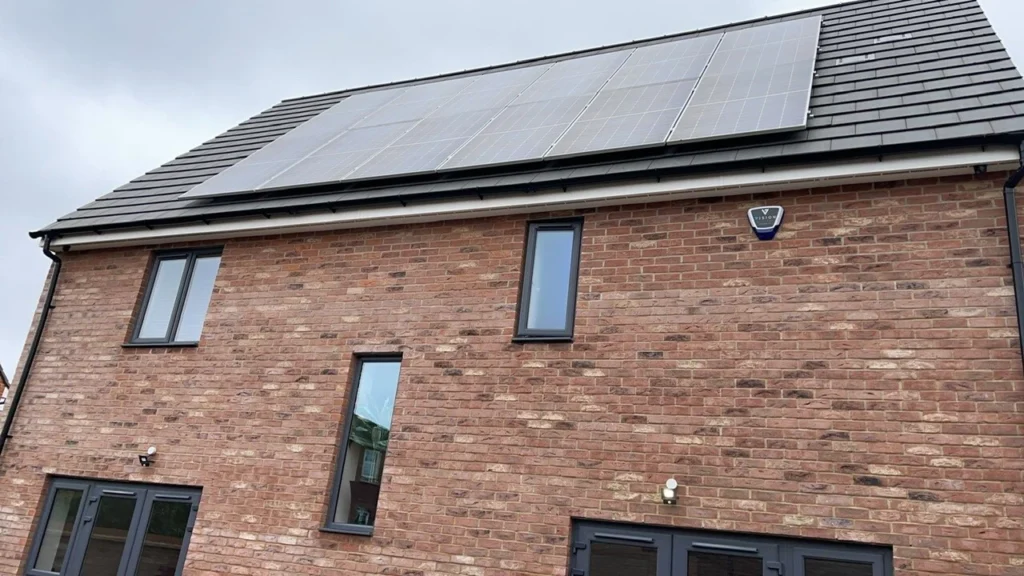
Although it’s more of a long-term investment, installing solar panels is something worth considering if you have the budget. Firstly, it will lower your electricity bills as you won’t be as reliant on the National Grid. Secondly, solar panels will help to shield you from rising energy prices.
If you’re considering solar panels, it’s wise to incorporate battery storage, so you can use the electricity you generate when it’s convenient for you. You may also wish to sign up to the Smart Export Guarantee (SEG) scheme, so you can sell the electricity you don’t use back to the Grid.
Originally published by UKNIP.