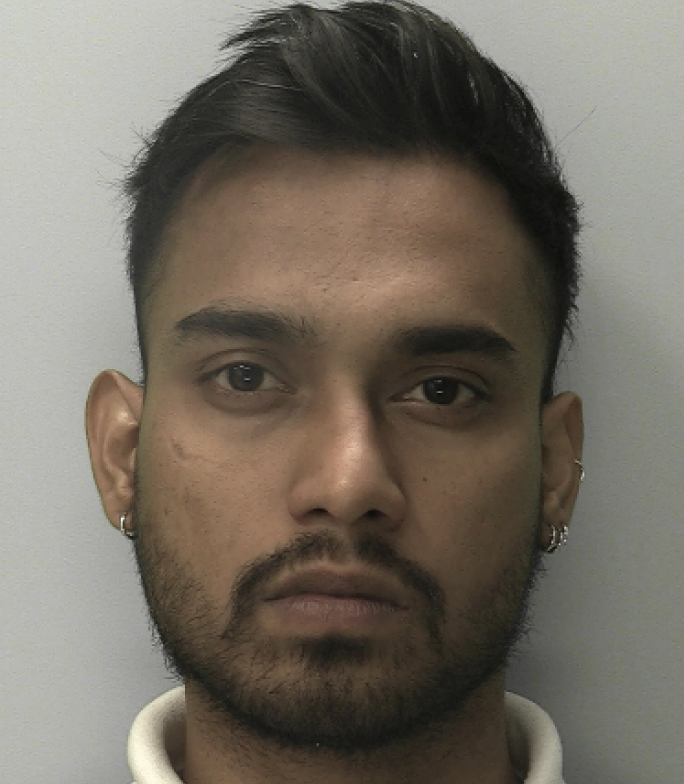


Seyed Mousavian, 42, from Grand Parade, Brighton, has been sentenced to ten years in prison at Lewes Crown Court. He was found guilty of conspiracy to supply Class A drugs on Thursday, 23 March.
Mousavian is the tenth individual convicted after a two-year investigation into the notorious HECTOR county line, which distributed crack cocaine and heroin throughout Brighton and Hove. Unlike many county lines controlled remotely from larger cities, the senior members of the HECTOR gang operated locally within Sussex, enabling police to target offenders at multiple levels.
The gang exploited vulnerable young people through threats, violence, and intimidation to sell drugs on the streets, while the leaders maintained control over the drug profits.
Detective Inspector Dee Wells of Brighton and Hove’s Community Investigations Team stated: “This significant custodial sentence marks another milestone in a long and complex fight against a dangerous drug gang ravaging our community. Their supply of illegal substances spread violence, exploitation, and devastation in our streets. Mousavian’s sentence sends a clear message about our relentless commitment to smashing drug supply in our city and protecting our residents.”
Over the course of two years, Brighton’s Community Investigations Team, alongside the Metropolitan Police, conducted intensive surveillance, intelligence gathering, and enforcement operations. These efforts resulted in dozens of arrests and large drug seizures. The HECTOR county line changed phone numbers four times between 2018 and 2020. Alarmingly, these numbers were recovered from the phones of five individuals who died from drug-related causes during the same timeframe.
Prosecutors presented a strong case against a wide network of senior, mid-level, and street dealers, exposing a well-organised conspiracy to flood Sussex with dangerous crack cocaine and heroin.
During sentencing, HHJ Mooney described Mousavian as a “very devious man” who eagerly seized the opportunity to advance within the HECTOR gang hierarchy.
Originally published by UKNIP.