

BBC Chief Tim Davie Cracks Down on Licence Fee Dodgers Amid Soaring Evasion
Licence Fee Evasion Hits 30-Year High
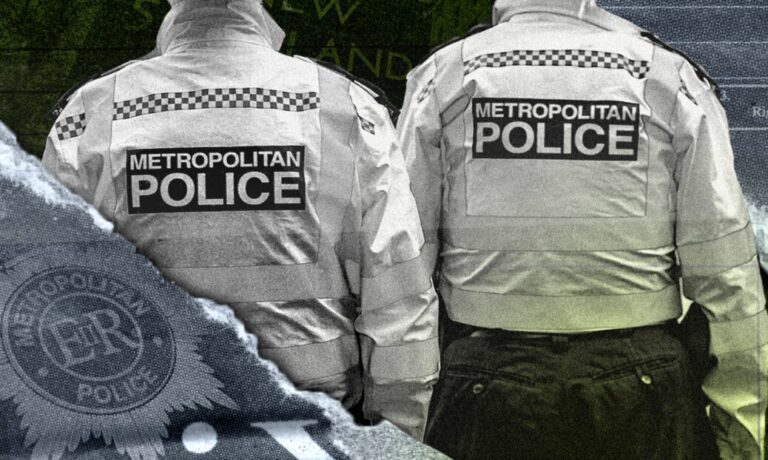
BBC boss Tim Davie has vowed to toughen up on licence fee dodgers as evasion hits its highest level since 1995. Over 25,000 people were convicted of dodging the £174.50 TV licence in 2024 — with women making up most of the offenders. Officials say the 12.52% evasion rate is costing the BBC hundreds of millions every year.
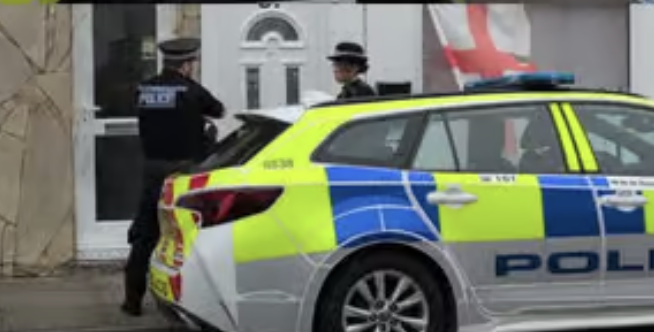
Despite raking in £3.8 billion in licence fees for 2024/25, the number of paying households dropped by 314,000 to just 22.6 million. Enforcement stepped up sharply, with nearly 2 million visits to suspected dodgers — a 50% increase on last year. The TV Licensing team grew too, from 172 officers to 229.
Davie defended the crackdown, insisting the system is fair. “If people are evading the licence fee, it should be enforced,” he told BBC Breakfast. “The vast majority believe those who should be paying, must pay. That’s fair.”
Controversial Crackdown Sparks Outrage
But this didn’t sit well with everyone. The harsh tactics provoked anger after vulnerable people were prosecuted — including a 57-year-old woman with Down’s Syndrome and a terminally ill breast cancer patient. The former conviction was later overturned.
Labour insiders say they want to scrap prosecutions after finding 70% of convicted evaders are women. Culture Secretary Lisa Nandy and Justice Secretary Shabana Mahmood are reportedly backing reforms, although no official changes have been announced. The BBC’s own review admitted no direct discrimination but recognised other factors are at play.
Trust in the BBC Wavers
Davie’s defence came amid growing viewer scepticism. A recent BBC survey revealed 38% of viewers doubt the broadcaster’s independence from government influence. “Keeping impartiality in today’s polarised world is harder than ever,” Davie admitted. “Mistakes shake trust, but that doesn’t mean we’re biased across the board.”
Licence Fee Model Under Threat
The licence fee rose to £174.50 in April 2025 and is set to increase with inflation until 2027. But real-terms BBC income has plunged nearly 30% since 2010, forcing £700 million in cost cuts by next year. Meanwhile, streaming services like Netflix are luring away younger viewers, putting the BBC’s funding model under serious strain.
Davie says licence fee reform will be considered after 2028, but he ruled out scrapping free-to-air TV or switching to subscriptions. “We want to listen to the public and rebuild trust,” he stressed.
Davie Stands Firm as Charter Review Looms
When asked about his future, Davie remained defiant. “I’ve never doubted the need for the BBC or my passion for leading it,” he said. “I don’t decide how long I stay, but I’m focused on serving the public and regaining trust.”
The BBC faces a make-or-break moment with the upcoming government charter review. Davie’s hardline stance on evaders signals tough times ahead. Can the licence fee system survive, or is reform unavoidable?