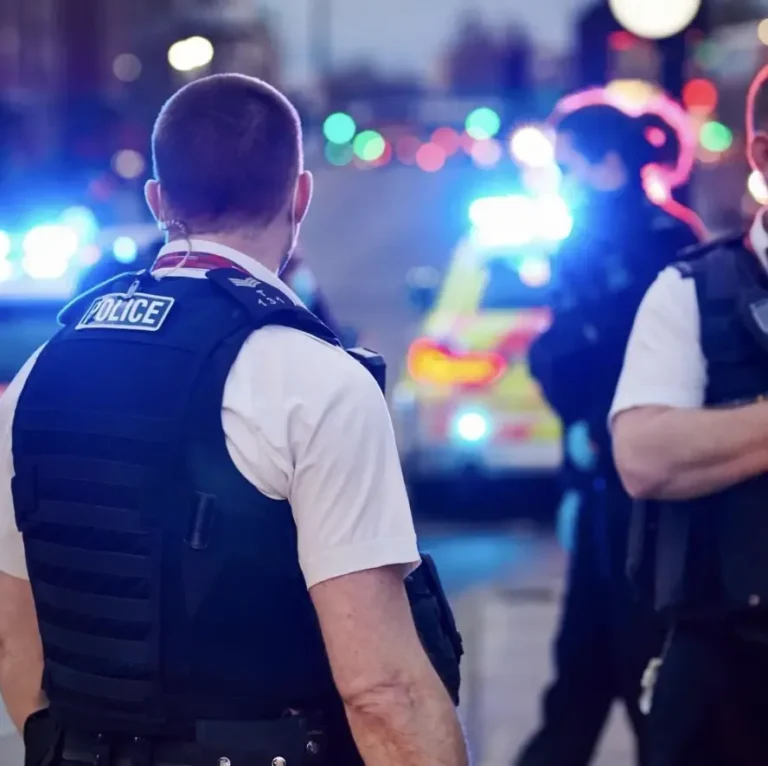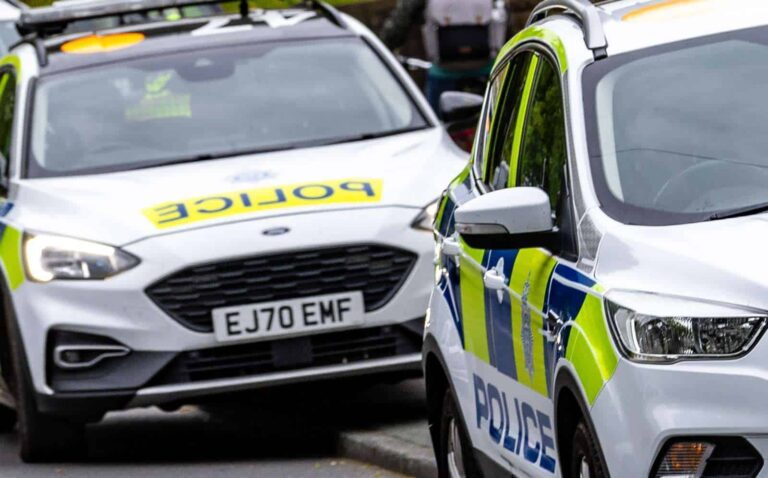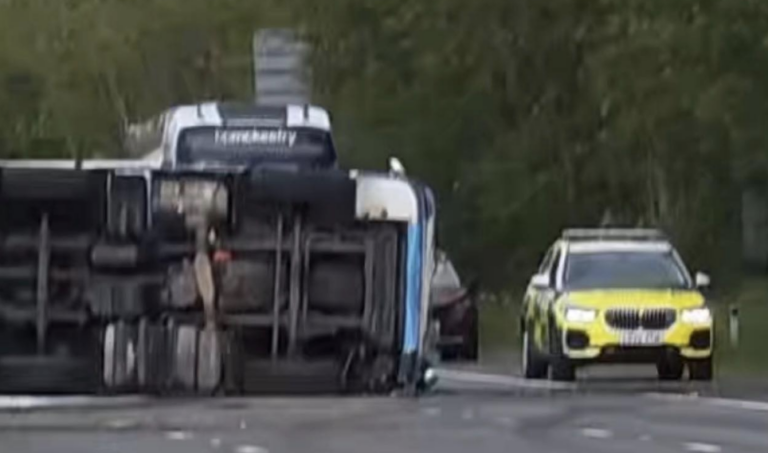


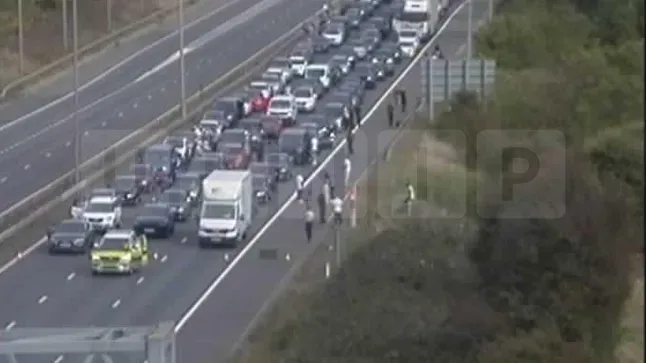
Traffic on the M6 through Warwickshire came to a complete halt this afternoon following a serious police incident, which was then compounded by a car fire, leading to severe gridlock and long delays for motorists.
Drivers were trapped for several hours, with some forced to abandon their vehicles and walk along the motorway as traffic built up over miles. The northbound carriageway saw queues forming between the M1/A14 Catthorpe Interchange and Junction 1 (Rugby/Lutterworth), while southbound traffic was heavily congested between Junction 2 (Coventry) and Junction 1.
Warwickshire Police responded to a concern-for-welfare incident on the motorway, which was resolved by 3:35pm. During the full closures, National Highways teams managed traffic control and implemented diversions to ease the situation.
However, just as traffic conditions began to improve, a car caught fire around 5:00pm. This incident forced a temporary full closure of the northbound carriageway between Junctions 1 and 2, adding further disruption to the already congested route.
By early evening, all lanes were reopened in both directions, but significant delays persisted. Traffic monitoring service Inrix reported tailbacks stretching from M1 Junction 19 (Catthorpe) to Junction 1 (Rugby/Lutterworth) as the motorway struggled to return to normal traffic flow.
Key Facts at a Glance
- M6 southbound closed between Junction 2 and Junction 1, northbound blocked from M1/A14 to Junction 1 during police incident.
- Police incident resolved around 3:35pm.
- Car fire at 5:00pm caused another northbound closure between Junctions 1 and 2.
- All lanes reopened later; congestion continued into the evening.
- Warwickshire Police and National Highways managed diversions and traffic flow throughout the incidents.
If you were caught up in the chaos or witnessed the incidents, please send your updates, photos, or dash-cam footage to our newsroom. Stay tuned for the latest updates on Warwickshire’s traffic conditions to help plan your journeys effectively.
Originally published by UKNIP.