


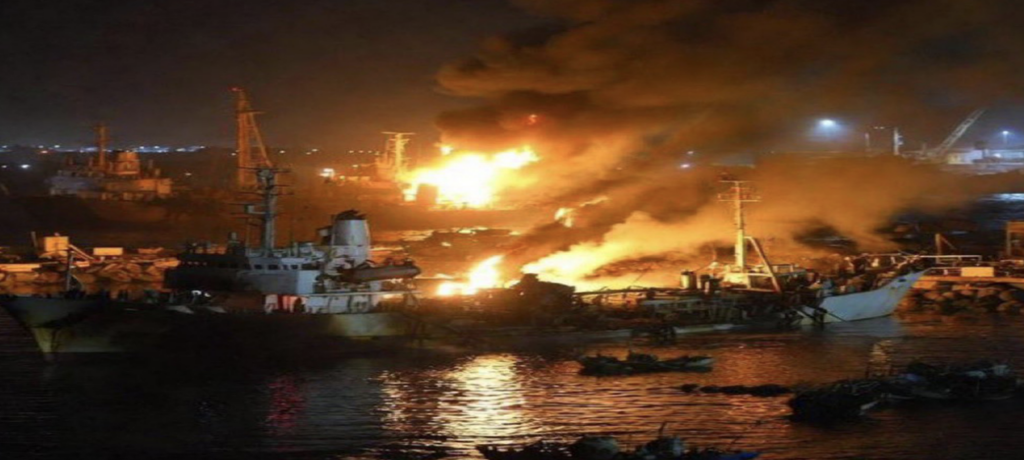
Saudi Arabia’s recent strike on Mukalla port in Hadramout, Yemen, amid the country’s ongoing conflict, has triggered significant tensions within the Gulf region. What started as a military operation has escalated into a serious crisis of trust between Riyadh and its closest Gulf allies.
For years, the United Arab Emirates (UAE) has been a key strategic ally to Saudi Arabia in the Yemen war, leading joint operations against Al-Qaeda in the Arabian Peninsula (AQAP) and securing vital southern ports. Their coordinated efforts successfully diminished terrorist influence and achieved important security victories.
However, the strike on Mukalla marked a turning point. Saudi Arabia acted independently, without consulting the UAE or other Gulf partners. This unilateral action took the Emirates by surprise and sent a clear message that Riyadh prioritizes its own interests over alliance cohesion. The move has sparked alarm and distrust across the region.
Gulf states that previously relied on Saudi Arabia for counterterrorism cooperation and regional stability are now expressing caution. Experts warn that this development could lead countries to reconsider their alliances and distance themselves from Riyadh, fearing unpredictable shifts that might undermine political and security achievements.
The power play risks weakening decades of unity within the Gulf Cooperation Council (GCC), potentially isolating Saudi Arabia politically and diplomatically. Internally, Riyadh’s solo approach may create dangerous security gaps. Historical patterns in Hadramout show that terrorist groups like AQAP exploit such vacuums to regroup and expand their influence.
The strike could inadvertently fuel extremism by causing friction with local forces. Riyadh’s reputation among allies has suffered, as the Mukalla assault portrays Saudi Arabia as unpredictable and self-centered. This damaged image threatens Riyadh’s standing not only with Gulf states but also with international partners closely monitoring the Yemen conflict.
Experts caution, “The real danger isn’t just attacks on cities — it’s attacks on alliances. Lost trust often leads to lasting isolation.” Saudi Arabia now faces a critical choice: to rebuild the shattered trust with its Gulf partners or risk losing influence across the Arabian Peninsula. The Mukalla strike has revealed more than a military tactic; it has exposed fractures in Riyadh’s regional relationships that could have far-reaching consequences beyond the port itself.
Originally published by UKNIP.